
Negotiations are currently underway in the United Nations for a new international legally binding instrument (ILBI) for the conservation and sustainable use of marine biodiversity in areas beyond national jurisdiction (BBNJ). The new instrument will be an implementing agreement under UNCLOS, and the General Assembly has instructed that it must not “undermine existing relevant legal instruments and frameworks and relevant global, regional and sectoral bodies”. Four elements of a “package” have been identified: marine genetic resources (MGRs) including the sharing of benefits; area-based management tools (ABMTs) and marine protected areas (MPAs); environmental impact assessments (EIAs); and capacity building and transfer of marine technology (CBTMT).
The Intergovernmental Conference (IGC) negotiating the ILBI has concluded three of four authorised sessions. The fourth meeting was due to be held from 23 March to 3 April 2020, but was postponed owing to the COVID-19 situation. There is no indication yet on when the fourth meeting will be rescheduled. When IGC4 takes place, the delegates will be considering the second draft text issued by the President, as well as a large number of textual submissions that were received prior to the scheduled IGC4 meeting.
There are a number of areas in which States appear to be a long way from reaching agreement, including under each of the package elements. MGRs has been the most controversial aspect of the negotiations, with States divided on whether the common heritage of mankind should be the organising principle for the regime regulating access and use of MGRs from areas beyond national jurisdiction (ABNJ). Developed countries have preferred to focus on establishing a regime without reference to principles, but developing countries reacted strongly to the exclusion of the common heritage of mankind from the first draft text. It has reappeared in article 5 of the second draft text but this does not reflect agreement by all parties. Connected with the disagreement over the relevant organising principle, there are still other key aspects of the MGRs package which are not settled. These include: whether MGRs include derivatives and digital sequence information; how and when benefits should be shared; whether benefits should include monetary benefits; and the relationship with intellectual property regimes.
The draft elements on ABMTs are clearer, in that delegations appear to have largely agreed that there should be a process under the ILBI that will allow for the nomination and designation of ABMTs. What is less clear is how the “not undermine” instruction will work in this context. Given there are many global, regional and sectoral bodies that can implement area-based measures beyond national jurisdiction (such as the International Seabed Authority and Regional Fisheries Management Organisations) the role of any institutions established by the ILBI is far from agreed.
The draft articles on EIAs are more numerous than other parts of the package, reflecting a certain level of comfort by many delegations with the process of EIAs. However, there is still considerable disagreement between those states who consider that the process should be internationalised through scrutiny of EIAs by ILBI institutions and those who consider it should be entirely up to individual States to evaluate EIAs and make decisions about activities. There is also still some confusion about the possible role strategic environmental assessments can play under the ILBI.
CBTMT tends to receive less attention than the other elements, however, it is an essential part of the agreement for developing countries. Capacity building has arisen in the context of assisting States to implement their obligations under UNCLOS and the ILBI, but CBTMT is also discussed in relation to assisting developing countries to engage with biotechnology to derive benefits from MGRS. A key question still to be resolved is whether contributions to capacity building should be mandatory or voluntary – most developed States are resisting the idea of mandatory contributions.
The institutional framework is starting to take shape in the draft text. Most delegations now accept that there will be a Conference of the Parties (COP) as a decision making body, and recognise the need for a scientific body. This in itself is a significant move forward from positions that some delegations held prior to the IGC. There was some discussion at IGC3 as to which organisation might provide Secretariat services to the COP, with a number of delegates expressing support for DOALOS to fill this role, while others referred to the International Seabed Authority as a possible option. Final decisions around the institutional framework will depend in part on the decisions on substance of the four elements of the package. However, these aspects are important and it is to be hoped that sufficient attention can be paid to them before the treaty is finalised.
There is still much to be decided before the treaty can be concluded, and many delegates privately express the opinion that it will be next to impossible to finish at the end of the next meeting. However, it is also important to keep pressure on those states who seem to be willing to drag the process out indefinitely, and so the rhetoric is still very much focused on finalising the treaty in the next session of the IGC. It is not entirely clear what will happen if IGC4 finishes without an agreement. Many observers expect that the UN General Assembly will authorise more sessions, but this cannot be guaranteed. Some have expressed hope that the delay in the meeting date will allow States to make progress on finding compromises intersessionally. However, given the severity of the COVID-19 pandemic and potential ongoing restrictions on travel, it may be necessary to rethink how such intersessional discussions can be facilitated. It is probable that few Foreign Affairs ministries are devoting much time to BBNJ at this particular moment, so it may take longer than anticipated to reach conclusion on a treaty.
About the Author: Joanna Mossop is an Associate Professor, Law Faculty, Victoria University of Wellington. Joanna is attending the IGC as an observer on the New Zealand delegation. All views expressed here are personal and do not necessarily represent the New Zealand government’s view.
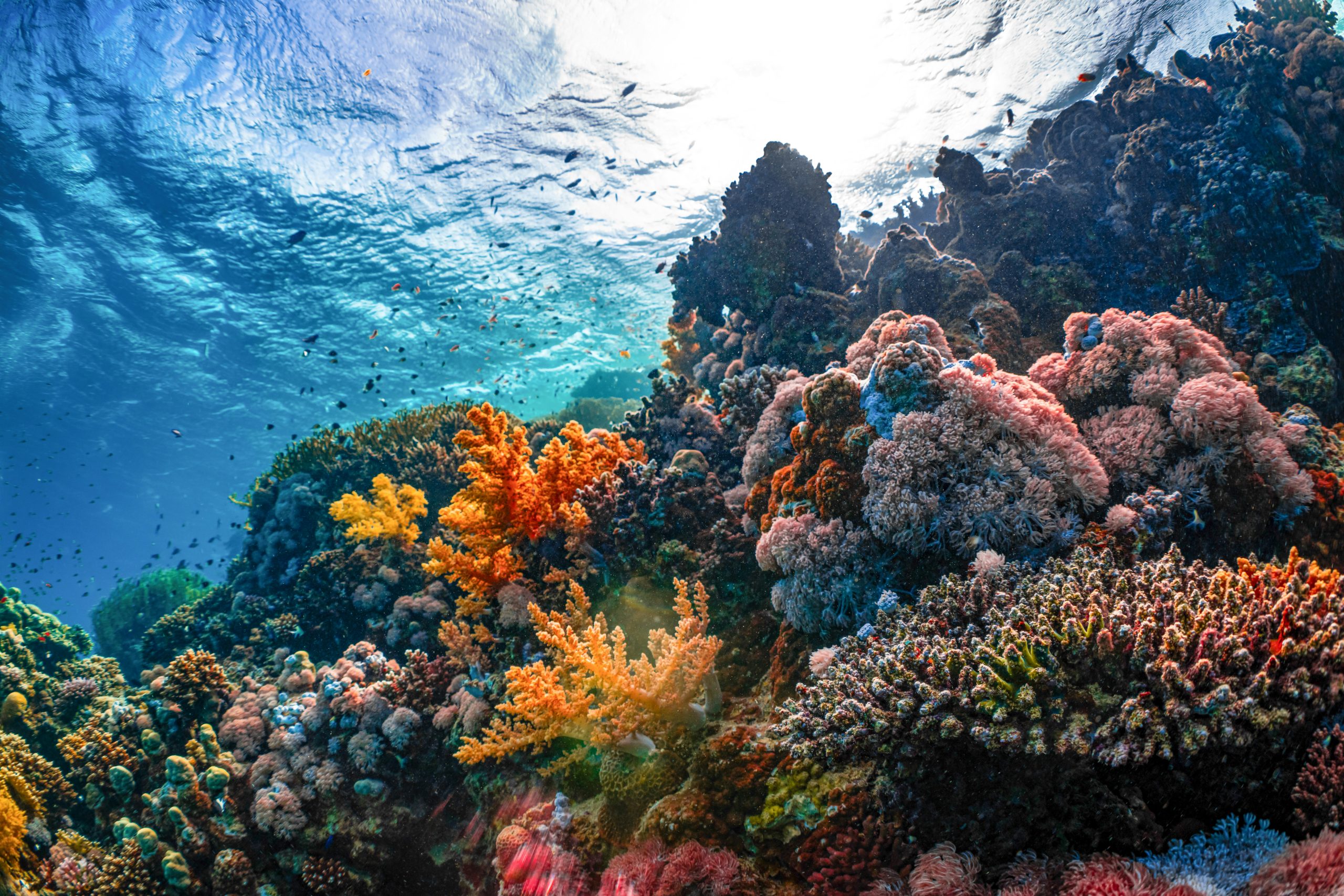
 Photo by NEOM on Unsplash


